What "viral" actually is
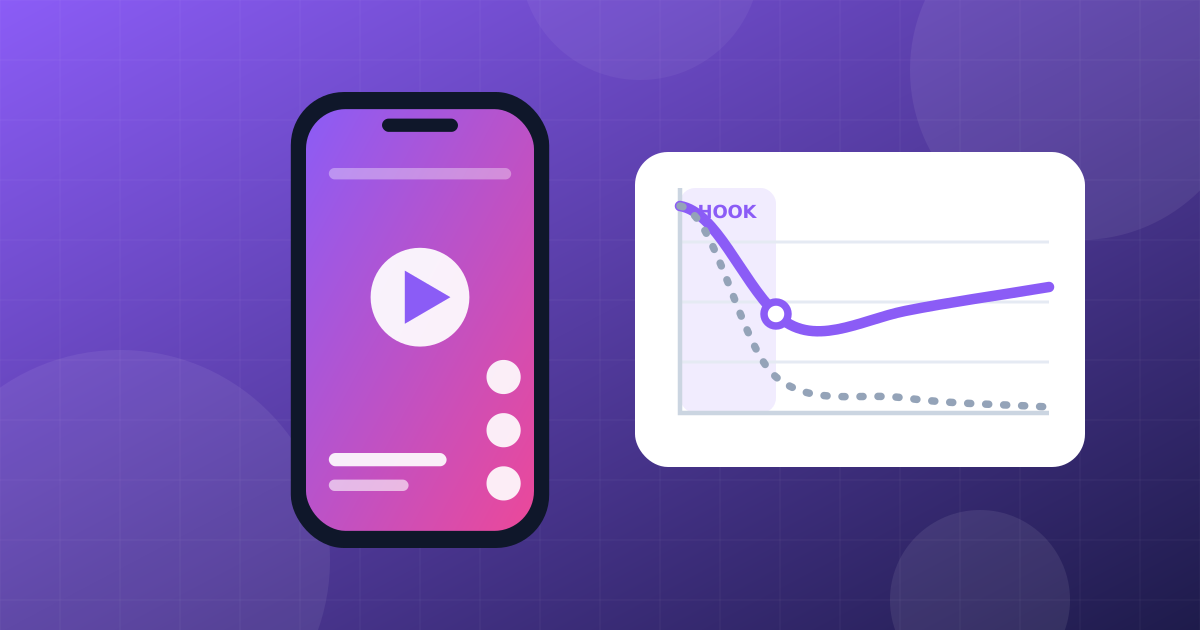
A viral video is simply a video that is shown to a much larger audience than your followers, because the first viewers responded strongly. On short-video platforms, strong response means three things: people stop scrolling, they keep watching, and they interact, by sharing, commenting, saving or rewatching.
You cannot control the algorithm, but you can control these behaviours. Most advice about virality reduces to a set of habits that make videos clearer and more satisfying.
The first second: stop the scroll
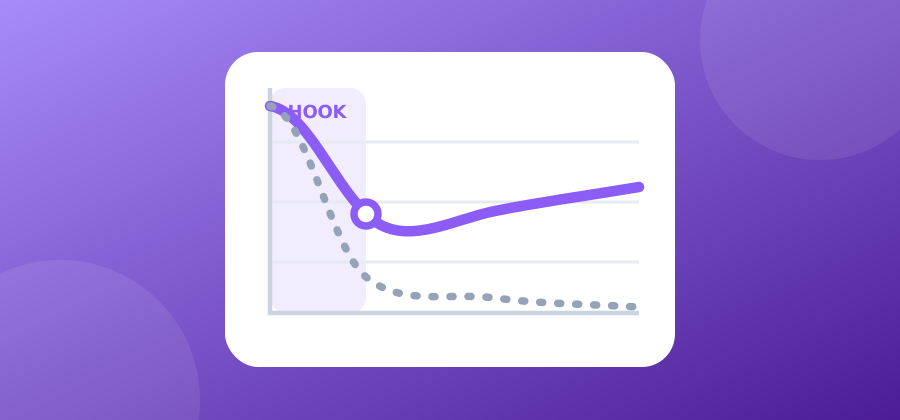
The first frame is your thumbnail, your title and your hook at once. Viewers decide within a second or two whether to continue.
Hook formulas that work
- The result first: show the finished outcome, then explain how.
- The bold claim: "This is why your videos get 200 views."
- The question: "Why does your phone battery die so fast?"
- The mistake: "Stop doing this when you edit."
- The countdown: "Three tricks, and the last one is the best."
- The contrast: "Free tool versus paid tool, and it is not close."
- The visual surprise: an unusual object, motion or colour in the very first frame.
A good hook is honest. If you tease something the video does not deliver, retention drops and the platform learns that viewers dislike it.
Retention: keep them watching
Retention means how much of the video people watch. It is one of the strongest signals on every platform.
Pace your edits
Short videos need frequent change. Cut or switch the visual every two to four seconds. That could be a new camera angle, a zoom, a text overlay, a screenshot or b-roll. Use the Video Trimmer to remove pauses, and the Video Speed Changer to tighten slow parts.
Create open loops
An open loop is a question you have raised but not answered. "In a moment I will show the mistake that cost me my account." Viewers stay to close the loop. Always close it, or viewers feel tricked.
Cut everything unnecessary
Remove greetings, filler words and slow transitions. If a sentence does not add information or emotion, delete it. A 20-second video that is fully watched usually beats a 50-second video that is half watched.
Add captions
Many people watch without sound, and captions also help comprehension. Keep them large, centred and easy to read, with strong contrast. Highlight key words for emphasis.
Design for the loop
When a video ends and instantly restarts, a viewer may not notice they are rewatching. That raises watch time. You can make loops by ending on the same visual or sentence you began with, or by phrasing the last line so it flows into the first. For example, a video that starts with "This is the cheapest way to..." can end with "...that is why it is so cheap."
Make it shareable
People share videos that make them look smart, helpful or funny. Ask yourself:
- Does this teach a useful trick someone would send to a friend?
- Does it express a common feeling in a clever way?
- Does it solve a problem a specific group faces?
Videos that say "send this to someone who..." can work well, but only if the video really earns the share.
Pick topics with built-in curiosity
Look for subjects where people already have questions, frustrations or strong opinions. Use comments from your previous videos and from popular videos in your niche. If viewers ask "how", make the answer the next video. See our niche research guide for methods.
Sound and music
Sound can set the mood and boost retention, but it must not overpower speech. Keep voice clear, use background music at a low level and check that you have the right to use the track. If you reuse a clip with original audio, use the Mute Video tool and add your own voiceover or licensed music.
Length: shorter is not always better
Short is easier to finish, but the real rule is that every second must earn the next. Many strong videos are 15 to 30 seconds, and some storytelling or tutorial videos work at 45 to 90 seconds or more. Test lengths using the same topic and compare completion rates.
Post at consistent times and in volume
Posting more videos means more chances for a breakout. A creator who posts daily for a month gets thirty experiments, while a creator who posts once a week gets four. Batch film and edit to keep the pace sustainable. Read about content calendars to organise this.
A simple testing framework
Change only one thing per test:
- Hook test: same video, different first three seconds.
- Topic test: same format, different subject.
- Format test: talking head versus voiceover with b-roll.
- Length test: tight edit versus extended version.
Record the results. After twenty videos, you will see which variable matters most for your audience.
What to do after a video starts to grow
- Reply to comments quickly, especially questions, and answer the best ones with new videos.
- Pin a comment that points to a related video or playlist.
- Make a follow-up that goes deeper into the same topic.
- Do not delete the video or change it dramatically.
- Check analytics to learn who is watching and where they come from.
Mistakes that kill reach
- Slow intros and logos.
- Reposting videos with other platforms' watermarks.
- Low-quality, blurry or poorly lit footage.
- Off-topic trends that confuse your audience.
- Misleading hooks.
- Giving up after ten posts.
A virality checklist
- A hook in the first second that shows the result, question or surprise.
- A clear single idea.
- A visual change every few seconds.
- Captions that are easy to read.
- A satisfying ending or a loop.
- A reason to comment, save or share.
Virality is a numbers game influenced by craft. Improve the craft, publish often and let the odds work in your favour.


 How to Grow a YouTube Channel From Zero: A Complete Beginner Roadmap
 How to Grow on TikTok From Zero to Your First 10K Followers
 How to Make Money From YouTube and TikTok: An Honest 2026 Guide
 How to Make YouTube Thumbnails That Get Clicks (Free Step-by-Step Guide)