
A realistic starting point
Income from content takes time. Most creators spend months or years building skills, an audience and trust before earning meaningful money. Earnings also vary widely by niche, country, audience and video type. Treat any promise of quick riches with suspicion. A better goal is to build a business that earns from several sources.
Income stream 1: Platform ad revenue
YouTube Partner Program
YouTube shares ad revenue with creators who join the Partner Program. Based on recent public information, there have been two main levels: an entry level at 500 subscribers with additional requirements for fan-funding features, and a higher level at 1,000 subscribers plus either 4,000 public watch hours in the last 12 months or 10 million public Shorts views in 90 days for ad revenue sharing. YouTube has also announced higher thresholds for new applicants starting in February 2027. Because rules change and vary by country, always check the official YouTube Partner Program page and the Earn tab in YouTube Studio before you plan.
You also need to follow monetization policies, including originality, which means your content must not be mass-produced or mostly reused material. Link an AdSense account, enable two-step verification and make sure your channel meets community guidelines.
Long-form videos and Shorts earn in different ways, and Shorts revenue is typically lower per view. Review the current revenue-sharing model in YouTube Studio.
TikTok programmes
TikTok has had creator programmes that reward qualifying videos, usually with requirements around follower count, views and video length, and with availability that depends on your country. Check TikTok's current eligibility inside the app, under creator tools, because details change often.
Income stream 2: Sponsorships and brand deals
Brands pay creators to feature products. Deals can be a flat fee, a commission or free products. To attract sponsors:
- Have a clear niche and a defined audience.
- Share your audience data: country, age and typical views.
- Create a short media kit with your best videos, topics and contact details.
- Pitch only products you would use. Viewers can tell when you do not care.
- Disclose sponsored content clearly, as required by law and platform rules.
When you agree on a price, use the Invoice Generator to prepare a clean invoice.
Income stream 3: Affiliate marketing
Affiliate links pay you a commission when someone buys through your link. They work well in tutorials, reviews and comparison videos. Use these principles:
- Recommend things that really help your viewers.
- Be transparent about links in the description or on-screen.
- Compare options fairly, including weaknesses.
- Avoid pushing expensive products to an audience that cannot afford them.
Income stream 4: Your own digital products
Digital products can earn far more per sale than ads. Examples: templates, presets, e-books, courses, planners, spreadsheets, study notes and design assets. Start small. Ask your audience what problem they struggle with, create a simple solution and test it with a low price.
Income stream 5: Services and freelancing
Your channel can be a portfolio. A video editor can attract clients, a designer can show work, and a teacher can offer tutoring. Services often pay faster than ads, especially for small channels.
Income stream 6: Memberships, donations and community
Once people trust you, some will support you directly through channel memberships, fan funding features, subscriptions or donations where permitted. Offer extras such as early access, behind-the-scenes content or private communities. Keep it optional and honest.
Income stream 7: Own website or newsletter
Platforms can change rules or reach. A website or email list lets you reach people directly. A simple site with helpful articles and tools can also earn through its own ad programmes if it meets their policies. The AdSense Checker and AdSense Estimator can help you think about readiness and potential, but they give rough guides, not guarantees.
How to estimate your potential
Revenue per thousand views, often called RPM, depends on the niche, the viewer's country, the season and the format. Finance, business and technology topics often have higher advertiser demand than entertainment, but also more competition. Instead of chasing the highest RPM, look for the intersection of your interest, audience need and monetization options.
Price your work correctly
If you sell products or services, track your costs and profit. The Profit Margin Calculator helps you see whether a price covers your time and expenses. Include taxes, platform fees and the hours you spend.
Avoid these mistakes
- Buying views or subscribers. It can break rules, harms retention and wastes money.
- Using copyrighted material. Reused music, clips or images can lead to claims, strikes or lost income.
- Making misleading income claims. Never show fake earnings or guarantee results.
- Relying on one platform. Diversify.
- Ignoring local tax rules. Income from content is usually taxable. Speak to a qualified professional in your country.
A staged plan
Stage 1 (0 to 1,000 followers): learn, publish consistently and focus on quality. Offer a free resource to start an email or WhatsApp list.
Stage 2 (1,000 to 10,000): apply for platform programmes if eligible, add affiliate links where helpful and test a small digital product.
Stage 3 (10,000+): pitch sponsors, offer services, build a stronger product and consider team support.
Read how to get your first 1,000 subscribers to reach stage 2.
Final thoughts
Creators who earn steadily usually do three things well: they serve a specific audience, they publish for a long time and they build more than one source of income. Start with trust, then add monetization step by step.


 How to Make YouTube Thumbnails That Get Clicks (Free Step-by-Step Guide)
 YouTube SEO Guide: Titles, Descriptions, Tags and Keywords That Rank
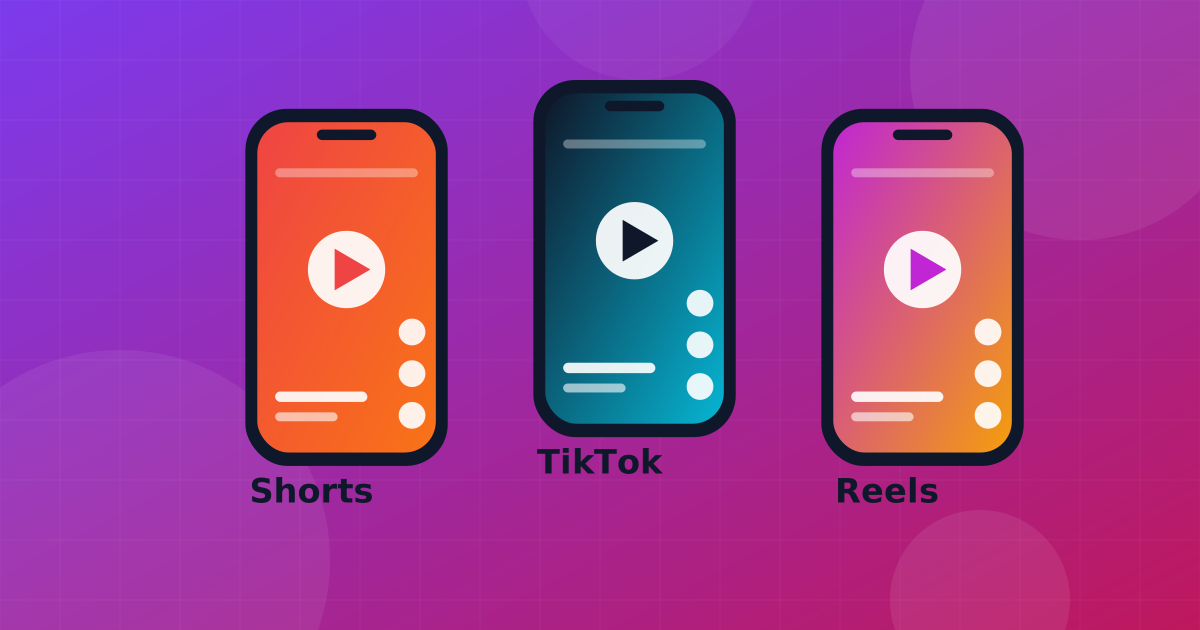 YouTube Shorts vs TikTok vs Instagram Reels: Which Platform Should You Post On?
 Content Calendar and Posting Schedule: How Often Should You Post?